Welcome to Yaowarat, Bangkok's vibrant Chinatown, where narrow alleys hum with energy, historic shrines stand quietly beside bustling market stalls, and the air is always filled with the aroma of incredible street food. Whether you are arriving for a short weekend getaway or a longer holiday, getting your bearings in this historic district is the first step to an unforgettable trip.
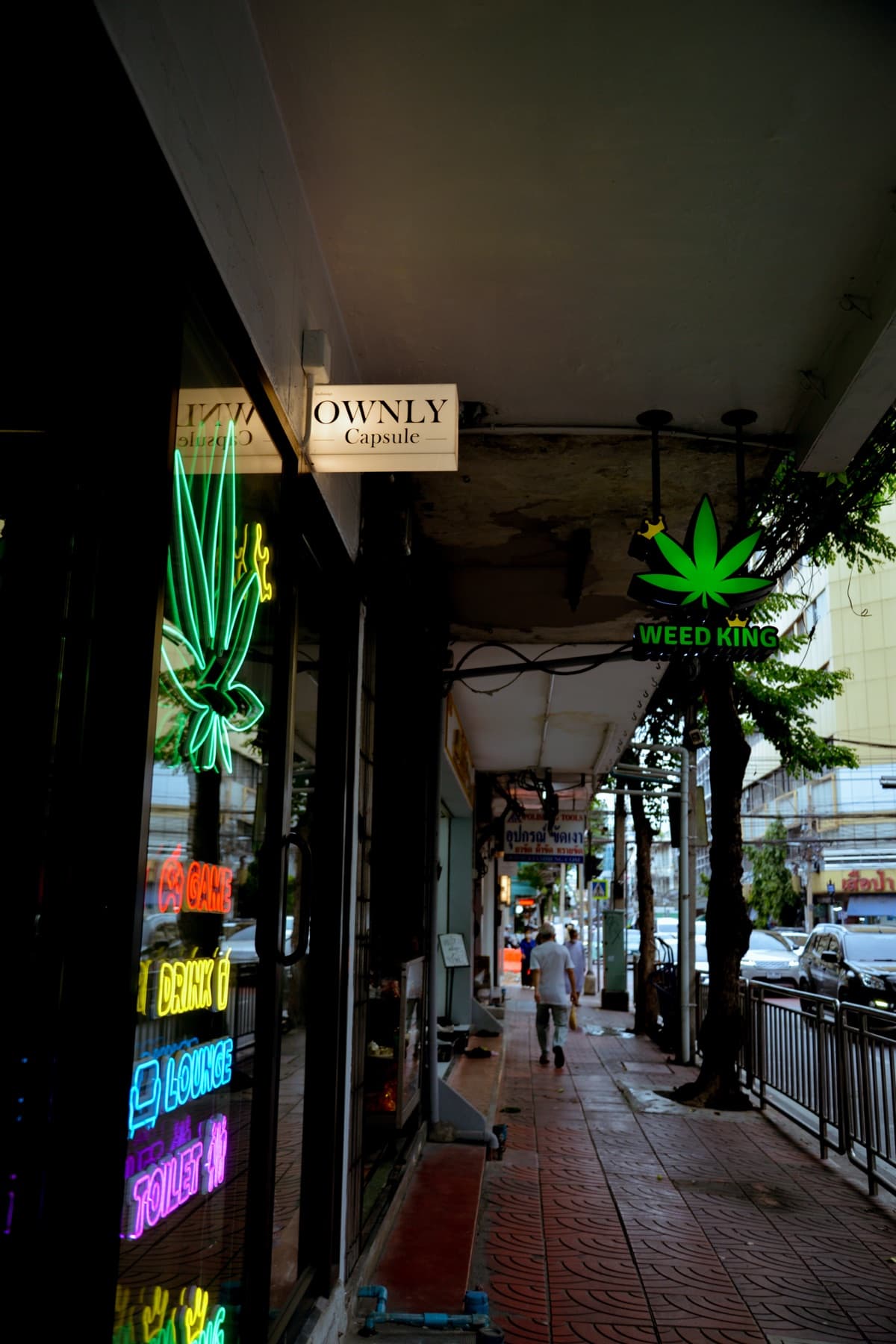
Navigating Bangkok can sometimes feel overwhelming, but Chinatown is surprisingly walkable and well-connected to the rest of the city through modern transit systems, river boats, and traditional means. From picking up local connectivity to planning your daily budget, here is a practical guide to help you make the most of your time here, with OWNLY Capsule Hotel situated right on Charoen Krung Road as a convenient starting point for your adventures.
Transit and Getting Around
Getting around Yaowarat and connecting to broader Bangkok is remarkably straightforward thanks to the MRT Blue Line. The Wat Mangkon station places you right in the heart of Chinatown, just a short walk from the main thoroughfares, bustling markets, and local eateries. If you prefer traveling by water, the Chao Phraya river piers are also within walking distance, offering scenic boat rides up and down the river to other historic districts and the central business areas.
Walking is often the best way to experience the neighborhood's hidden lanes, old shophouses, and vibrant street life. Sidewalks can be narrow and busy, especially in the evenings, so comfortable walking shoes are essential. For longer trips across the city, ridesharing apps and traditional taxis are widely available, though traffic during peak hours can be heavy.
Temples and Sights
Chinatown is home to some of Bangkok's most culturally significant and visually striking temples. Wat Mangkon Kamalawat, located just minutes from the MRT station, is a major Chinese-Buddhist temple known for its intricate architecture, bustling courtyards, and vibrant atmosphere during festivals. Walking further toward the river brings you to quieter alleys where smaller shrines and historic guild houses reflect the deep-rooted heritage of the local Chinese-Thai community.
Beyond the temples, the local markets are a feast for the senses. Sampheng Lane offers a dizzying labyrinth of wholesale goods, fabrics, and accessories, while Talad Noi, just a short stroll away, combines historic Sino-Portuguese architecture with modern cafes and street art. It is easy to spend an entire afternoon simply wandering through these distinct zones.